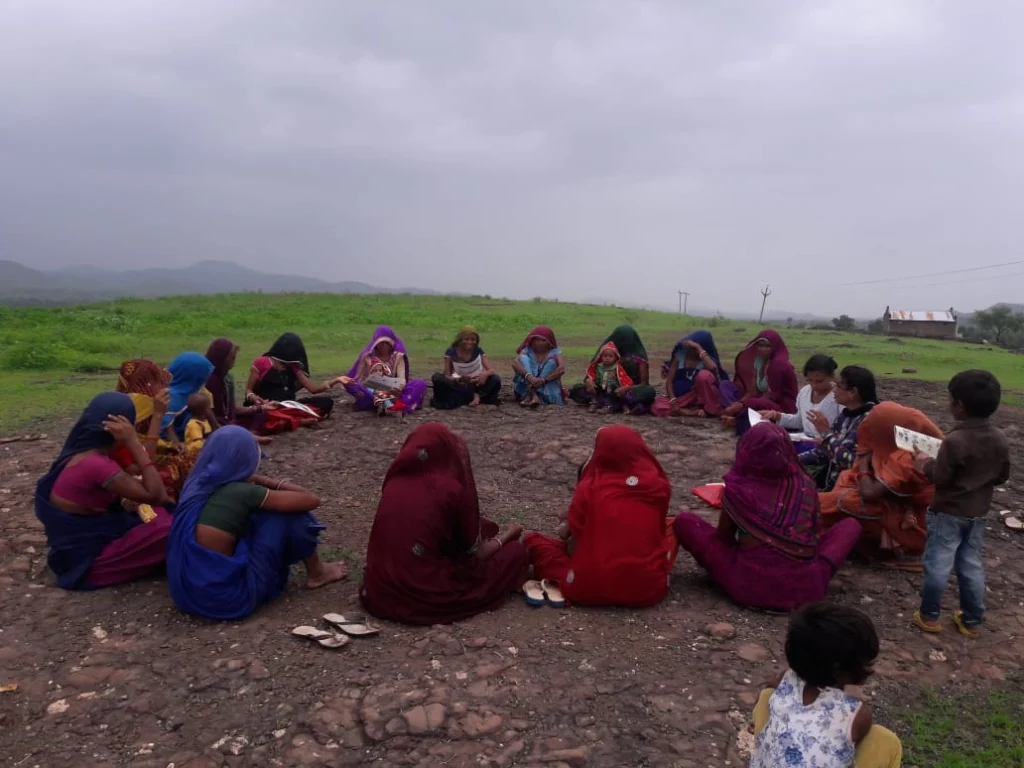
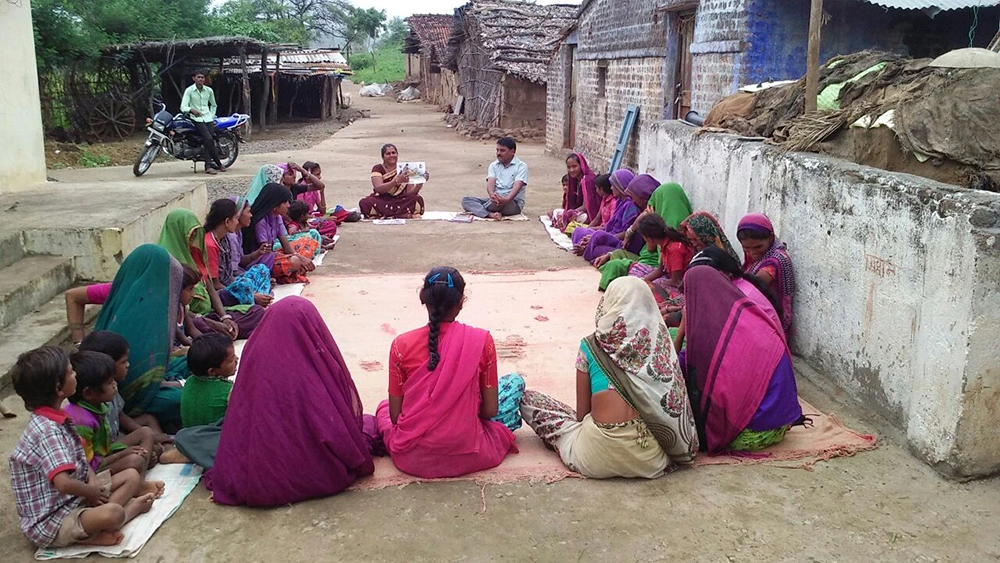
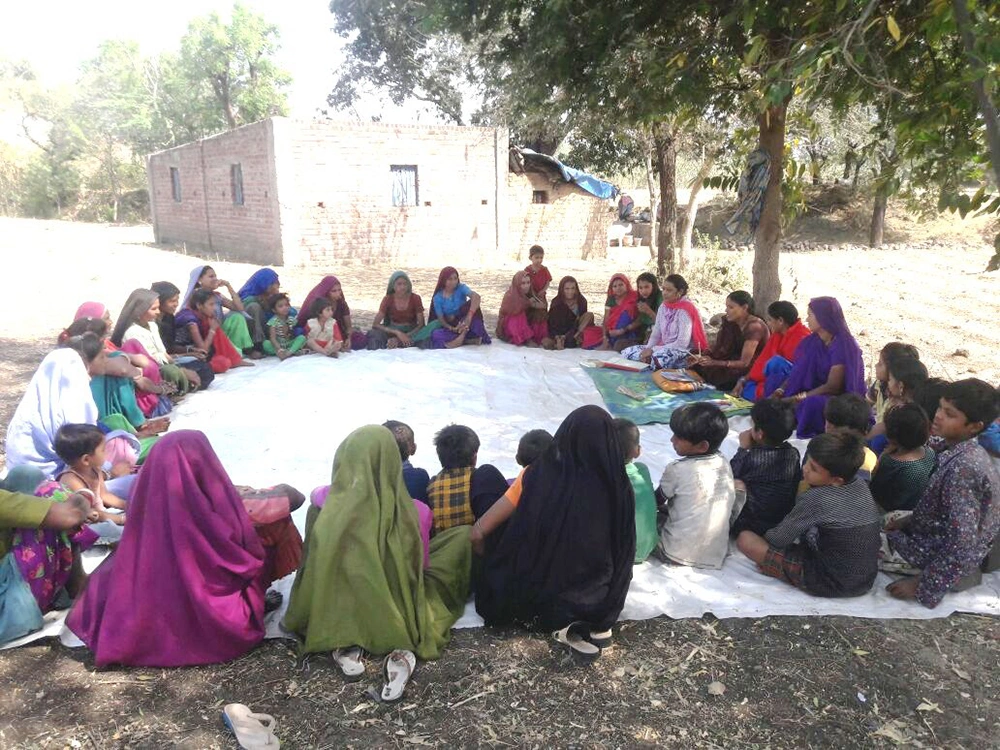
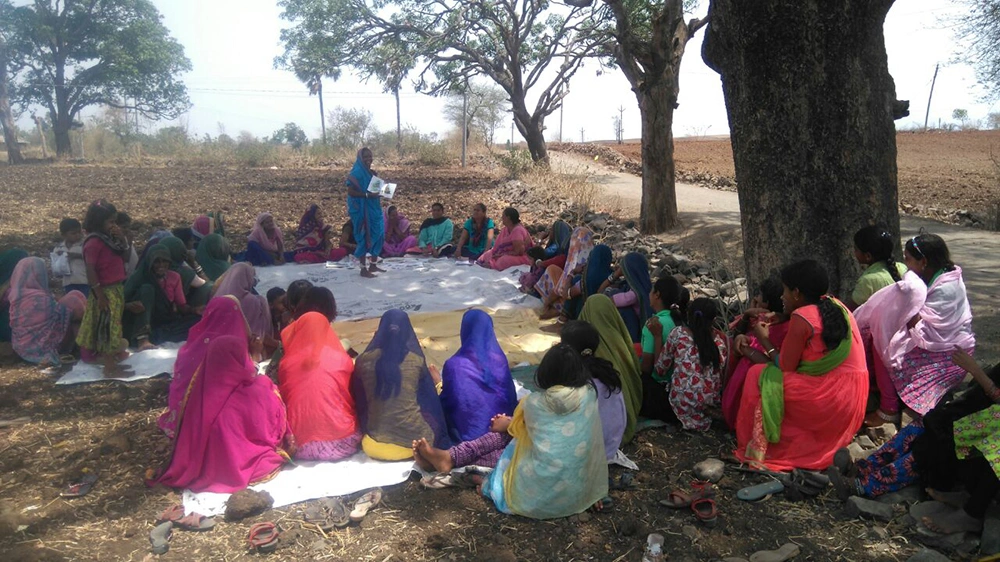
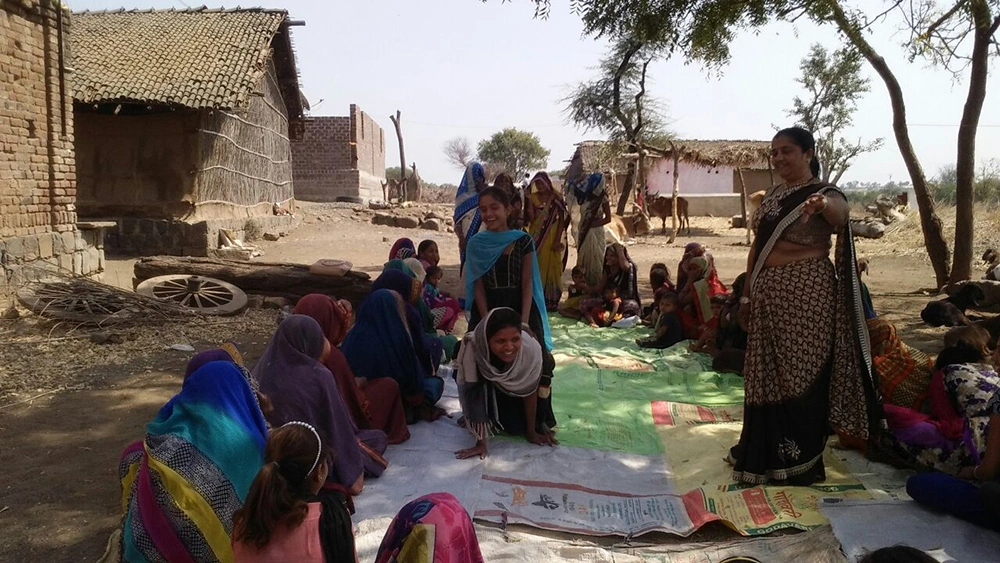
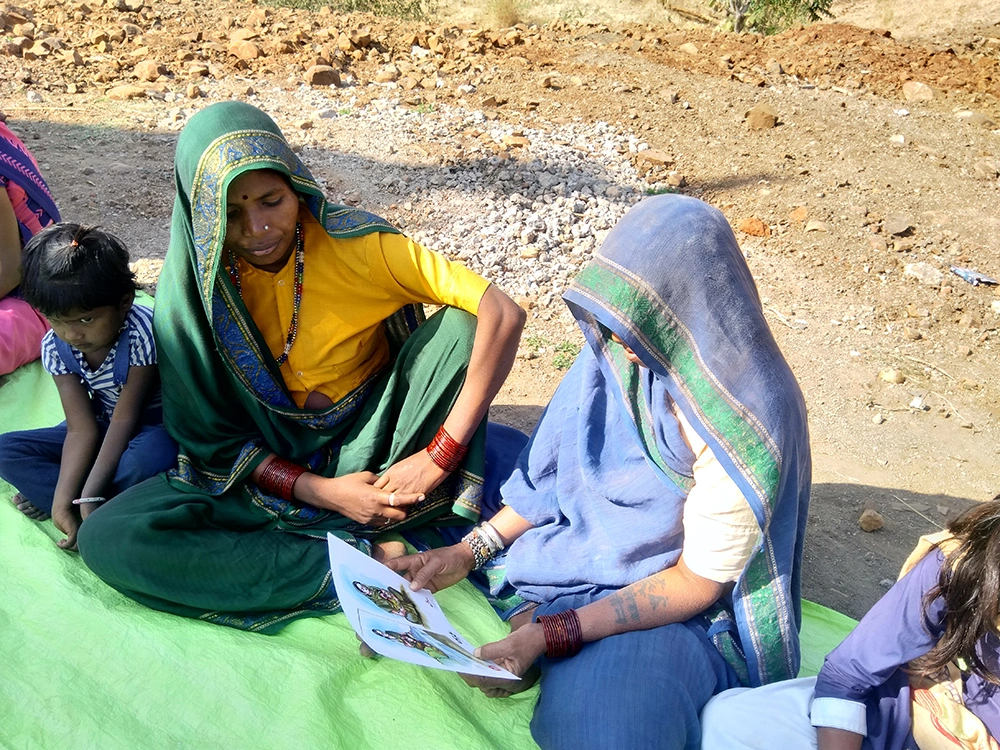
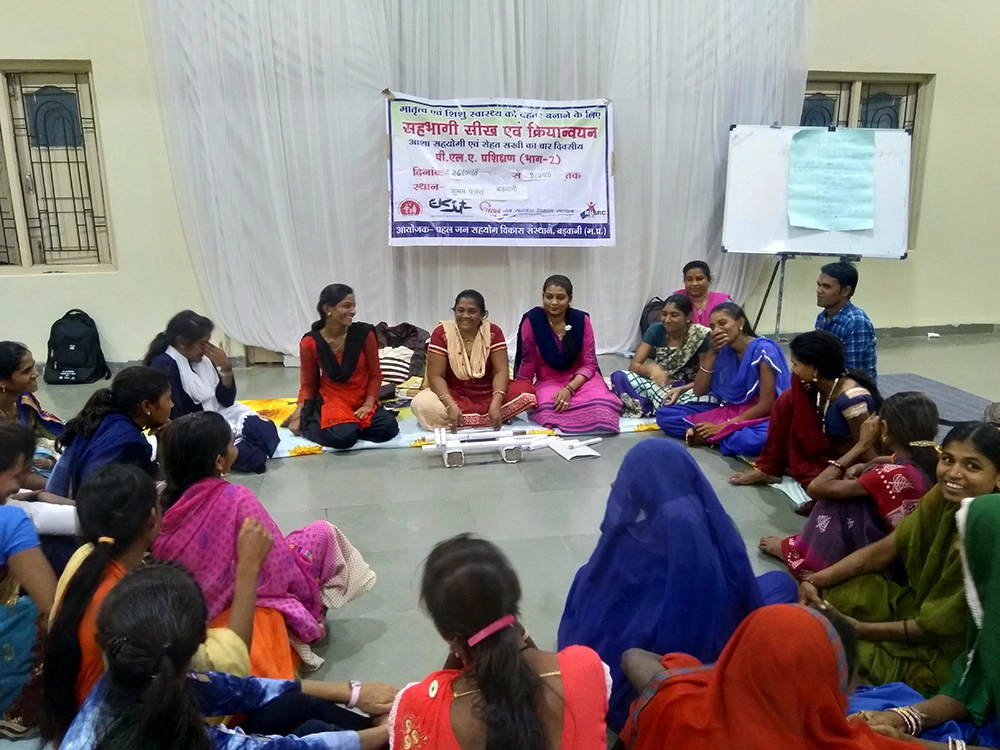
This initiative used structured Participatory Learning and Action (PLA) cycles to enable communities to identify maternal and child health challenges, analyze root causes, and design locally driven solutions for sustainable health system strengthening.
Program Objective (Brief Overview)
The objective of the program was to reduce IMR and MMR by strengthening grassroots health systems through community participation, capacity building of frontline workers, and improved maternal and newborn care practices.
The Challenge
High Infant Mortality (IMR) and Maternal Mortality (MMR) rates were closely linked to low awareness, delayed care-seeking, weak village-level health governance, and limited community ownership over maternal and newborn health issues.
Partners : National Health Mission (Madhya Pradesh) & EKJUT
Core Interventions
- Capacity building of ASHA workers on maternal and newborn health
- Formation and facilitation of women’s health discussion groups
- Structured PLA cycles for problem identification and action planning
- Revitalization of Village Health, Sanitation & Nutrition Committees (VHSNCs)
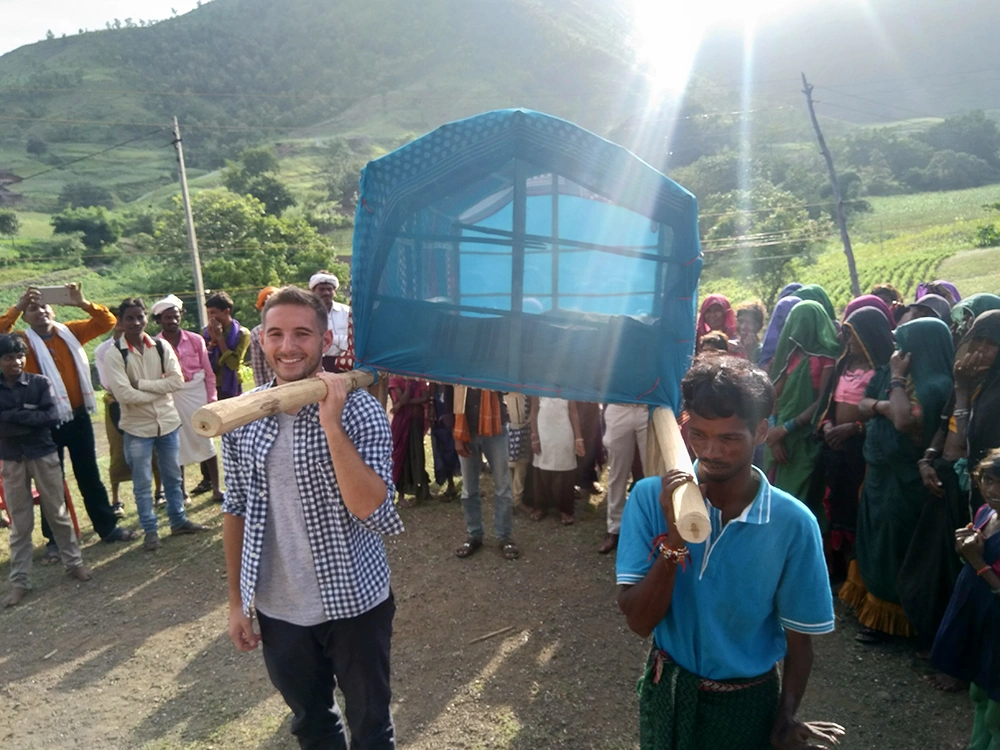
- Promotion of safe birth preparedness and newborn care practices
Impact Delivered
- Improved birth preparedness and complication readiness
- Increased institutional deliveries
- Strengthened local health governance through active VHSNCs
- Improved household hygiene and newborn care practices
- Greater community ownership of maternal and child health outcomes
Key Learning
Behavior change accelerates when communities diagnose their own problems and design their own solutions — ownership creates sustainability.